Palmetto Crawl SpaceSolutions · South Carolina

South Carolina crawl space solutions

Crawl Space Repair & Encapsulation in South Carolina

Crawl space moisture control, encapsulation, drainage and structural repair solutions for homeowners across South Carolina.

Moisture control
Sealed liners and humidity management
Water management
Drainage and sump systems where needed
Structural options
Joist, beam and support repairs
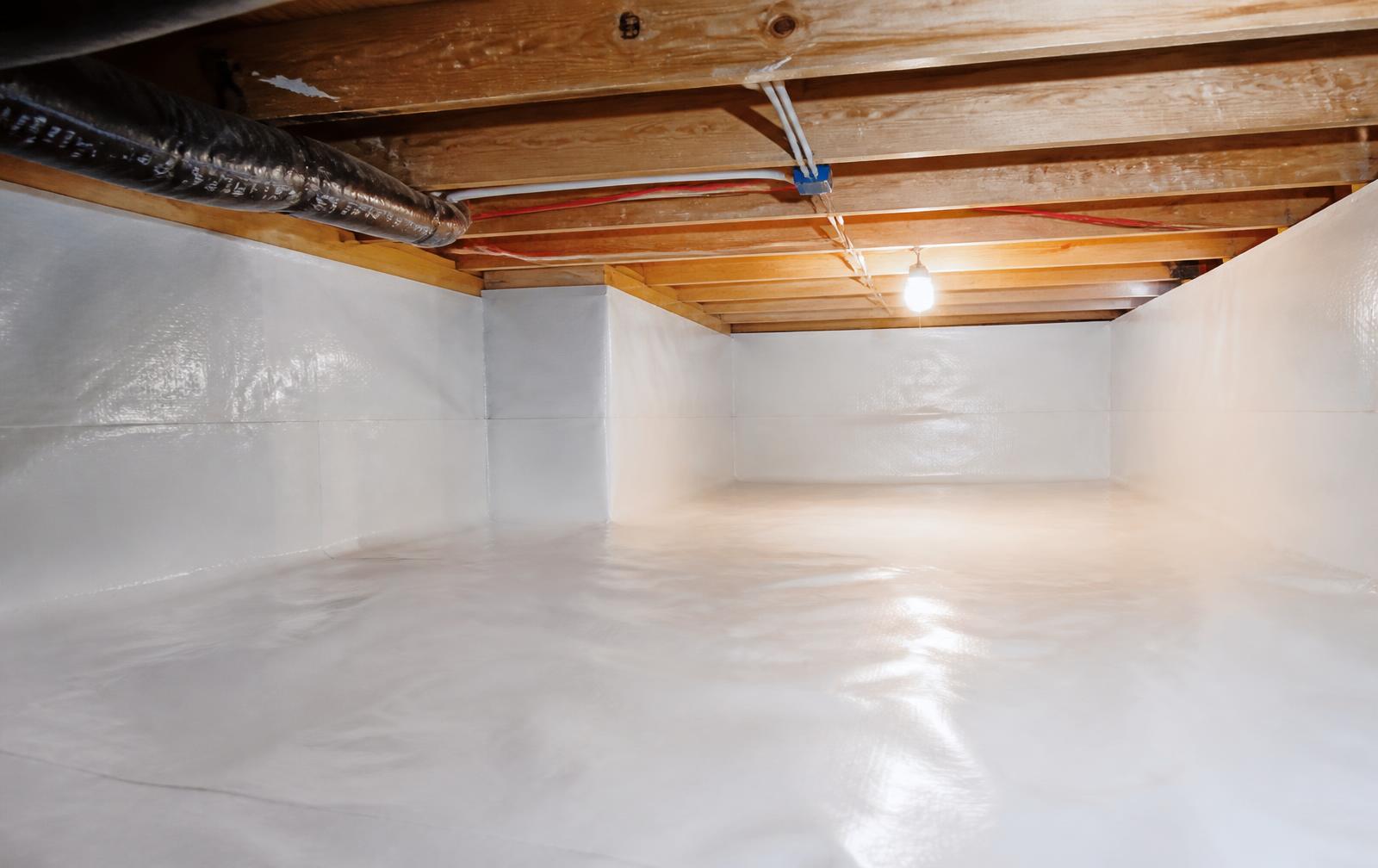
Crawl space encapsulation with a sealed white liner beneath a South Carolina home

Why it happens here

Why South Carolina crawl spaces develop moisture problems

Most crawl spaces in the state were built vented, with bare soil on the ground and openings in the foundation wall. That design assumes outside air will dry the space. In a climate with long, humid summers, warm outdoor air entering a cool crawl space frequently does the opposite — it raises relative humidity and condenses on cooler surfaces such as ductwork, piers and framing.

At the same time, uncovered soil releases moisture vapor continuously. Add roof runoff discharging near the foundation, grading that slopes toward the house, or a seasonally high water table, and the crawl space stays damp for months at a time.

The usual sequence looks like this:

  • Water or vapor enters the crawl space and has no clear way out
  • Relative humidity climbs and wood moisture content rises with it
  • Insulation sags, odors move upward, and surface growth appears on joists
  • Over years, weakened joists or beams begin to show as uneven or soft floors

That is why an inspection looks at the whole chain — water source, vapor source, humidity level and wood condition — instead of a single symptom.

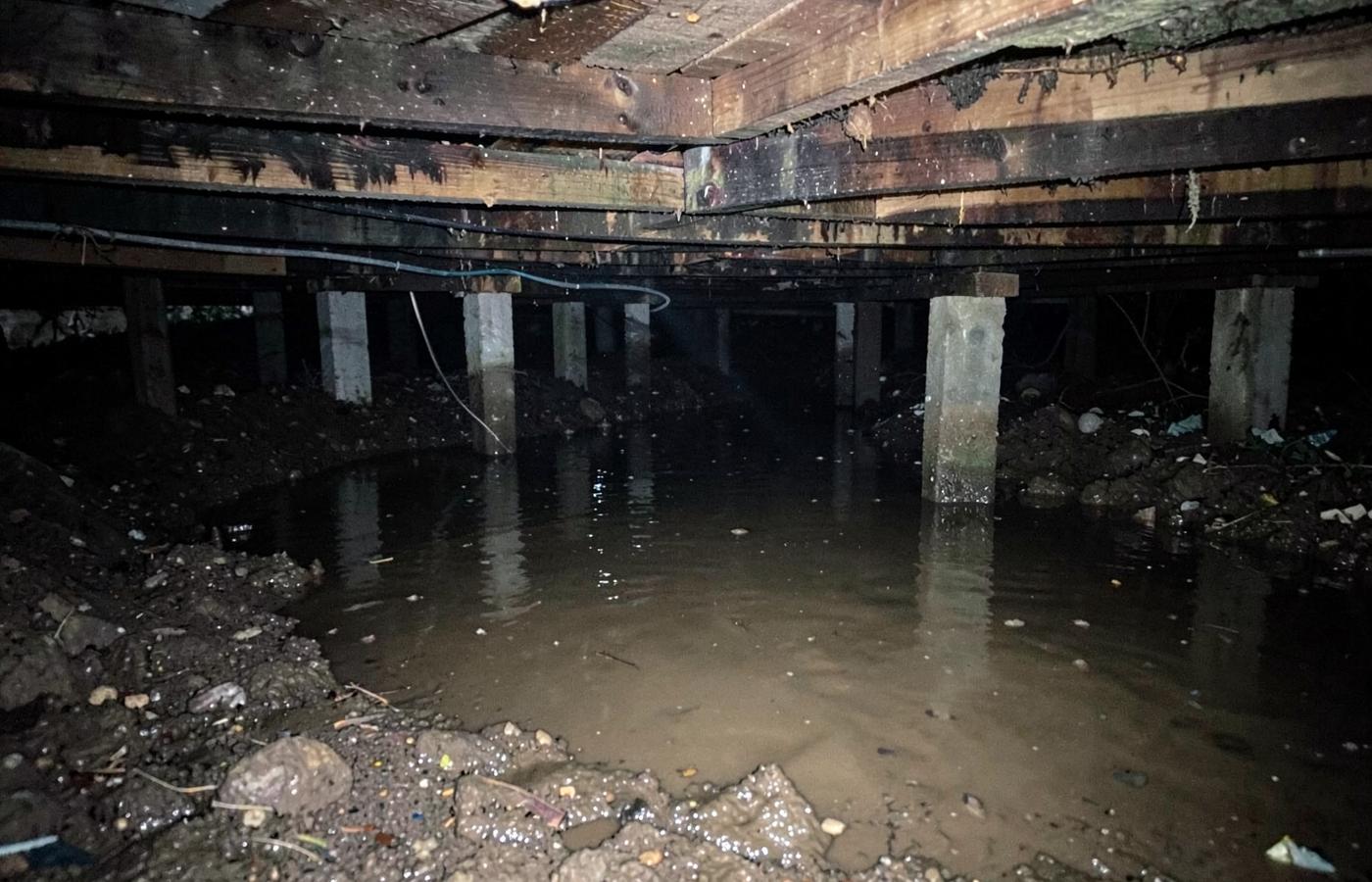
Standing water inside a residential crawl space over bare soil

Regional differences

Crawl space conditions are not the same across the state

Coastal, Midlands and Upstate homes deal with different soil, water table and drainage realities. Recommendations should reflect that.

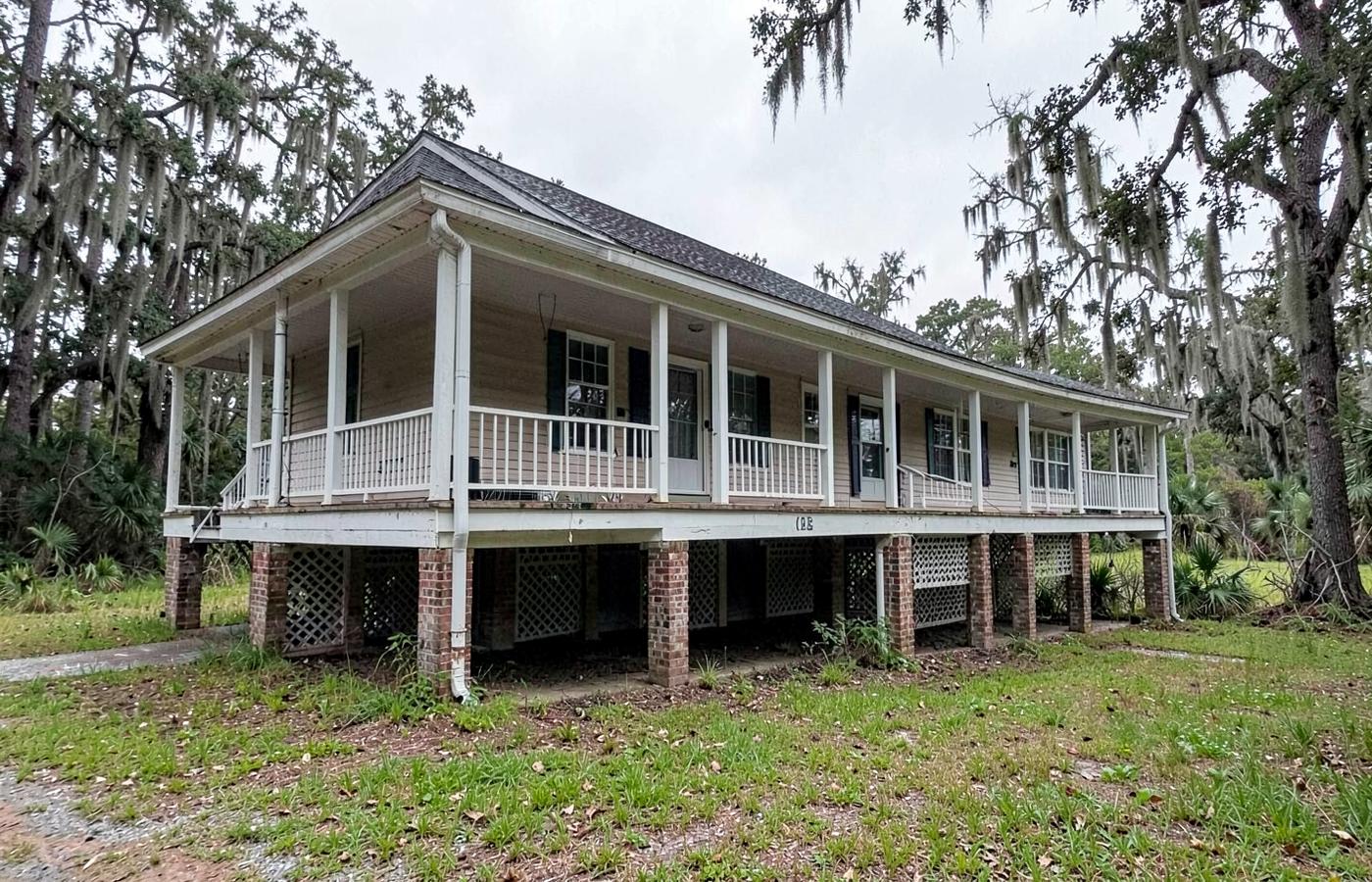
Raised Lowcountry home with a brick pier crawl space foundation in South Carolina

Lowcountry & coastal South Carolina

Charleston, Beaufort, Hilton Head and the Grand Strand share high humidity, shallow groundwater and heavy rainfall. Crawl spaces here often deal with standing water and drainage before anything else, then need sealed liners and dehumidification to hold humidity down.

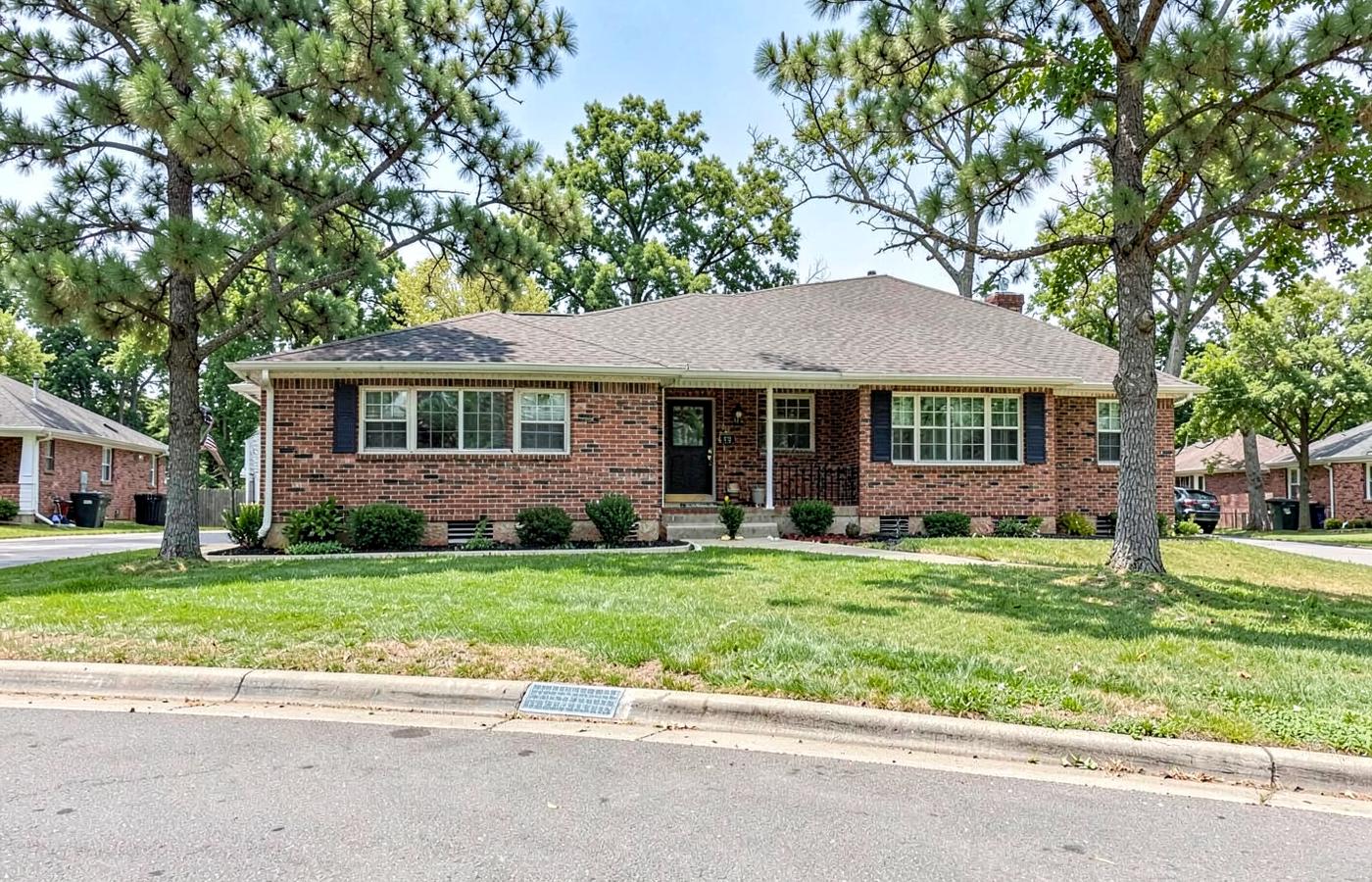
Brick ranch home with foundation vents in the South Carolina Midlands

Midlands

Around Columbia, Lexington, Irmo and Florence, long humid summers combine with exposed crawl space soil. Vapor moving up from bare ground is often the main moisture source, and wood deterioration or sagging floors show up in older framing.

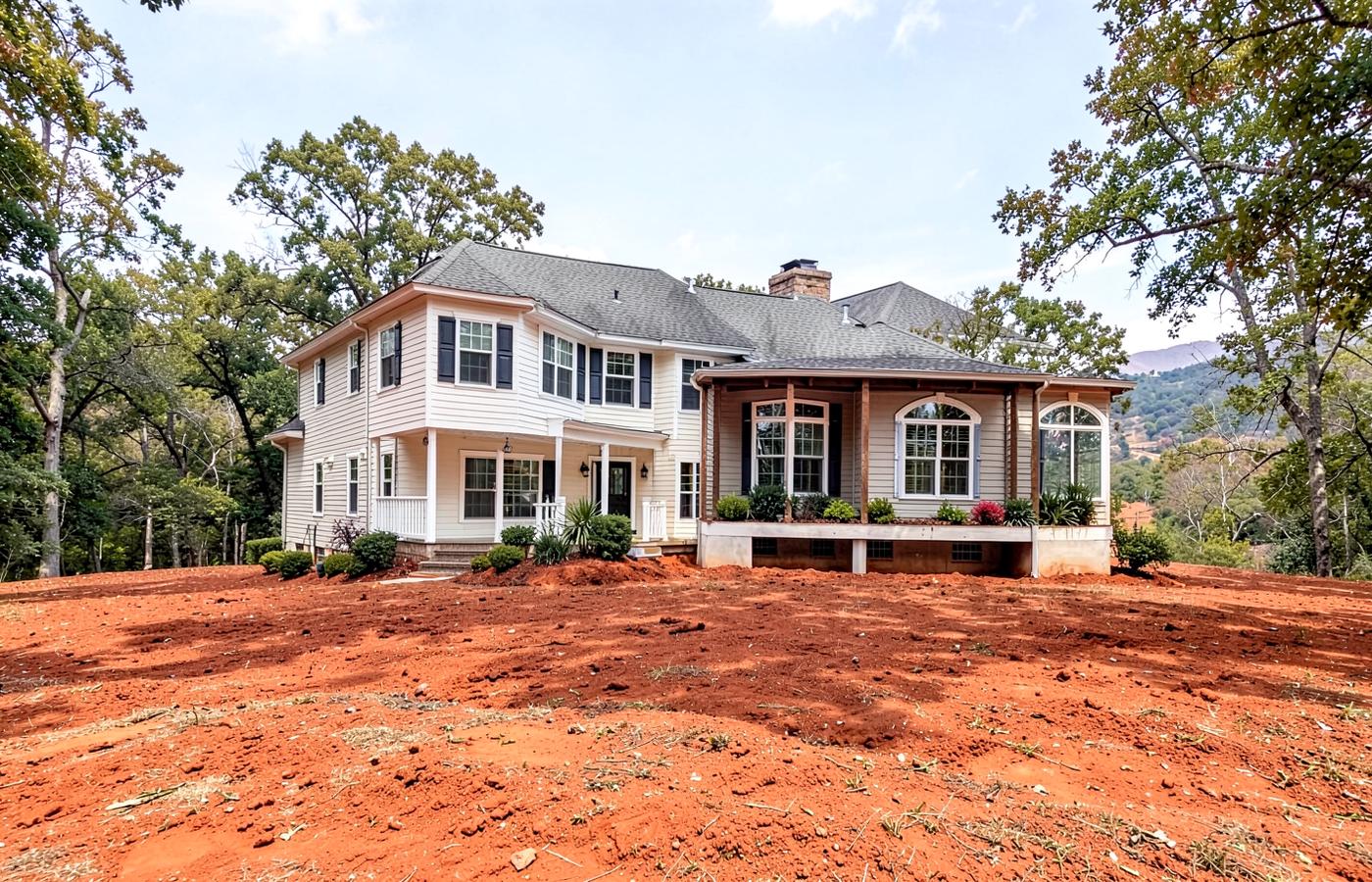
Upstate South Carolina home on a graded lot with red clay soil

Upstate

In Greenville, Spartanburg, Greer, Anderson and Simpsonville, clay-heavy soils hold water against foundations and release moisture slowly. Grading, drainage and floor support are frequent topics alongside encapsulation.

Encapsulation

What crawl space encapsulation actually involves

Encapsulation means separating the crawl space from ground moisture and outside humidity, then keeping the sealed space dry. A complete system generally includes a reinforced liner across the soil, liner carried up foundation walls and around piers where appropriate, sealing at vents and penetrations, and humidity control sized to the space.

Encapsulation is not a substitute for water management. If liquid water enters the crawl space, drainage and a sump system come first — otherwise water simply sits on top of a new liner.

Typical components

  • Reinforced ground liner with sealed seams
  • Wall and pier treatment where conditions allow
  • Vent and penetration sealing
  • Interior drainage and sump system where water enters
  • Dehumidifier sized to crawl space volume
  • Debris and damaged insulation removal

Cost

What crawl space work generally costs in South Carolina

Ranges below are general planning guidance, not quotes. An on-site inspection is required for accurate pricing.

Encapsulation projects

$3,250 – $7,250

Liner, sealing and humidity control in a reasonably accessible crawl space.

More complete systems

$7,000 – $11,000+

Adds drainage, sump pump, dehumidification, moisture treatment or structural repairs.

See the full cost breakdown

How it works

Three steps from question to a written option list

1. Tell Us What You Are Seeing

Submit the short form with the address and a quick description of the problem — water, humidity, odor, soft floors or an unknown issue.

2. Inspect the Crawl Space

We review visible water, moisture and humidity, vapor barrier condition, drainage around the home, wood condition and structural concerns.

3. Review Repair Options

You receive recommended next steps and pricing based on the actual conditions documented under the property.

FAQ

Crawl space questions from South Carolina homeowners

How much does crawl space encapsulation cost in South Carolina?

Many South Carolina encapsulation projects fall roughly in the $3,250–$7,250 range. Systems that also include drainage, a sump pump, a dehumidifier, moisture treatment or structural repairs commonly reach about $7,000–$11,000 or more. Size, height, access and existing water are the largest variables, so an on-site inspection is required for accurate pricing.

Is crawl space encapsulation worth it in South Carolina?

In a humid climate, sealing the ground and controlling humidity is usually the most direct way to stop soil moisture from reaching framing, insulation and ductwork. It is most worthwhile when the crawl space already shows damp soil, high humidity readings or wood moisture problems. If water is entering the crawl space, drainage should be handled first.

Why is there water under my house?

Common sources are surface runoff entering through foundation vents or block walls, downspouts discharging next to the foundation, grading that slopes toward the home, a high water table, or plumbing leaks. Identifying the source matters more than the volume, because the fix differs for each.

What is the difference between a vapor barrier and full encapsulation?

A vapor barrier is a liner over the soil that slows moisture vapor from the ground. Full encapsulation extends that liner up foundation walls and piers, seals vents and penetrations, and pairs the sealed space with humidity control and, where needed, drainage.

Does a crawl space need a dehumidifier?

Not always. A sealed crawl space in a humid region often needs one to hold relative humidity in a reasonable range. A vented crawl space with active water intrusion needs drainage first — a dehumidifier cannot keep up with liquid water.

Do I need a sump pump?

A sump pump makes sense when water collects in the crawl space and has nowhere lower to drain by gravity. If water can be intercepted and drained to daylight, a pump may not be necessary. Both approaches depend on elevation and site conditions.

What causes sagging floors?

Sagging floors above a crawl space are often related to deteriorated joists or beams, moisture-weakened wood, insufficient or settled support posts, or spans that were marginal to begin with. The cause has to be confirmed under the home, not from the floor above.

Can moisture damage floor joists?

Yes. Sustained elevated wood moisture supports decay fungi and can reduce the strength of joists, beams and subfloor sheathing over time. Reducing the moisture source is part of any lasting repair.

How long does crawl space encapsulation take?

Many residential encapsulations are completed in one to three working days. Projects that include drainage excavation, debris removal, moisture treatment or structural repairs take longer and are usually sequenced over several days.

What should a crawl space inspection include?

A useful inspection documents standing water and water entry points, soil and vapor barrier condition, relative humidity, visible mold-like growth, wood condition, joists, beams and supports, insulation, drainage around the home, and any areas where the floor is moving.

Free crawl space inspection

Find out what is actually happening under your home

A free inspection documents water, humidity, vapor barrier condition, wood and support issues before anyone talks about price.

  • · Repair options based on actual conditions under the home
  • · Clear explanation of moisture, drainage and structural findings
  • · Serving the Lowcountry, Grand Strand, Midlands, Pee Dee and Upstate regions of South Carolina.

Get a free crawl space inspection

Six short fields. No obligation, and no pricing guesswork over the phone.

Free Crawl Space Inspection