Charleston / Lowcountry
Frequently at or above the upper end of the encapsulation range. Shallow groundwater and heavy rainfall mean drainage and pumping are often part of the scope rather than optional add-ons.
Local crawl space detailsPricing guidance
Statewide planning ranges for crawl space encapsulation, drainage and moisture control, plus the factors that decide where a specific home lands. These are ranges, not quotes.
Statewide context
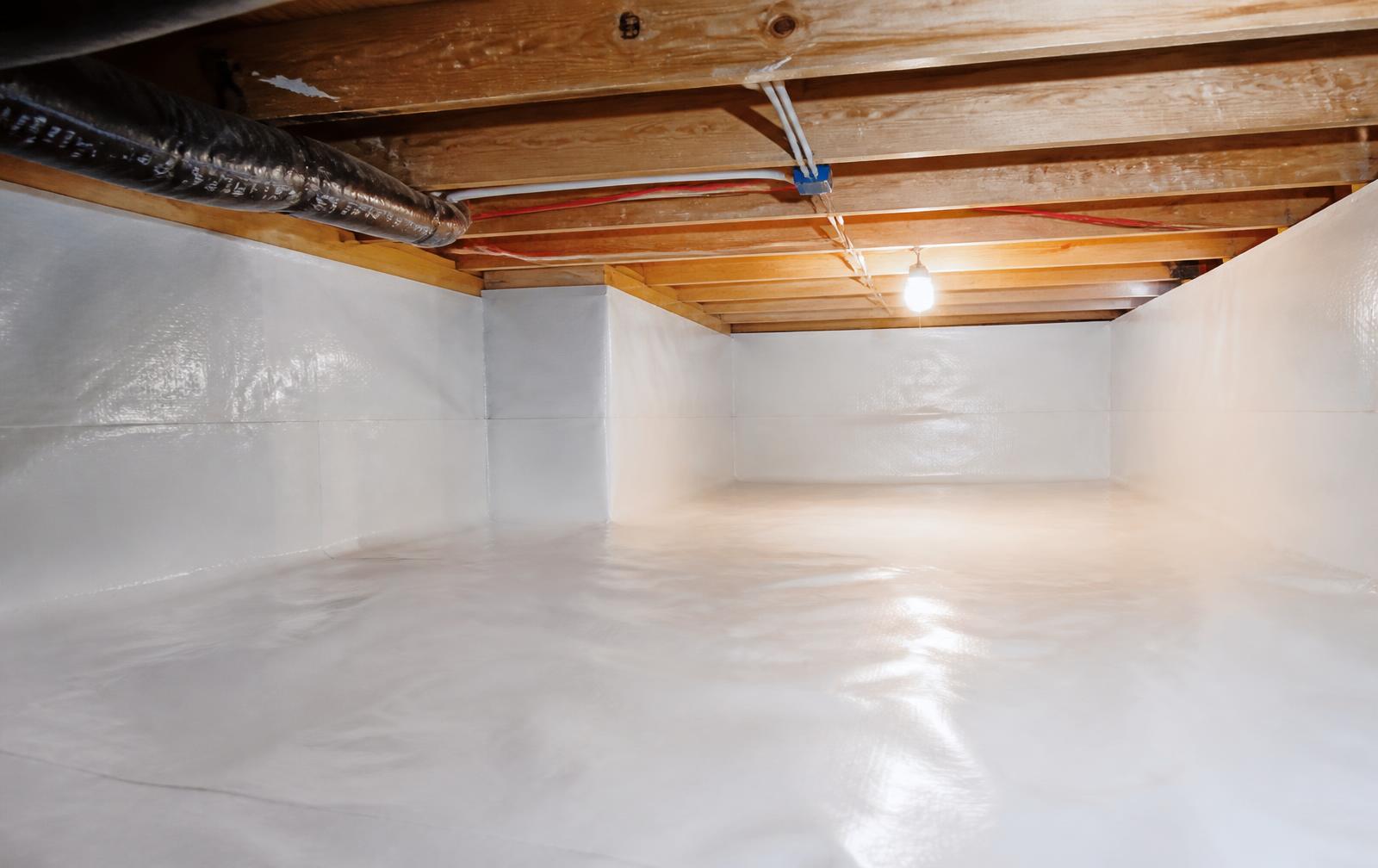
Many crawl space encapsulation projects in South Carolina may fall roughly in the $3,250–$7,250 range, while more complete systems involving drainage, sump pumps, dehumidification, mold or moisture treatment, or structural repairs may reach approximately $7,000–$11,000 or more.
Two homes of identical square footage can differ by thousands of dollars based on crawl space height, access, whether water is present, and how much of the existing liner and insulation has to come out first. That is why the number that matters comes from an inspection, not from a range on a page.
An on-site inspection is required for accurate pricing. Nothing on this page is a guaranteed quote or offer.
| Scope | Typical range | What drives it |
|---|---|---|
| Vapor barrier / ground liner only | $1,200 – $3,500 | Liner, seam sealing and prep in an accessible crawl space. |
| Crawl space encapsulation | $3,250 – $7,250 | Liner, wall treatment where appropriate, vent sealing, humidity control. |
| Complete moisture + water system | $7,000 – $11,000+ | Adds drainage, sump pump, dehumidification, treatment or structural work. |
| Interior drainage system | $2,000 – $6,500 | Trenching, stone, drain pipe and routing to a discharge point. |
| Sump pump system | $1,100 – $2,800 | Basin, pump, sealed lid and discharge line. Backup power adds cost. |
| Crawl space dehumidifier | $1,600 – $3,400 | Unit sized to volume, condensate routing and setup. |
| Debris and insulation removal | $400 – $1,600 | Varies with volume, access height and disposal. |
| Structural / floor support repair | $1,500 – $10,000+ | Entirely dependent on scope; documented under the home. |
Cost drivers
Square footage of soil to cover and perimeter to seal.
Low clearance and tight access slow every task and add labor hours.
Water has to be managed before sealing, which changes the scope.
Trenching length, stone volume and discharge routing.
Basin, pump capacity, discharge distance and optional battery backup.
Unit capacity sized to volume, plus condensate routing.
Thickness and reinforcement, and how far the liner is carried up walls and piers.
Surface treatment and removal of moisture-holding materials.
Extent of deterioration and how much framing is affected.
Joist, beam, post and footing work is priced from documented conditions.
Water table, soil type, lot grade and local access constraints.
Volume to remove and haul away before work starts.
Regional comparison
Regional differences come from water conditions and access, not from a different price list.
Frequently at or above the upper end of the encapsulation range. Shallow groundwater and heavy rainfall mean drainage and pumping are often part of the scope rather than optional add-ons.
Local crawl space detailsOften the most predictable pricing in the state. Many projects are vapor and humidity driven, with drainage added only where runoff or grading problems exist.
Local crawl space detailsSandy soils and a high seasonal water table push more projects toward drainage plus sump capacity, which raises the typical total.
Local crawl space detailsClay soils hold water against foundations, so exterior water management and perimeter drainage show up more often. Sloped lots can reduce pumping needs.
Local crawl space detailsTypically among the higher-cost markets in South Carolina. Low elevation, constant humidity and tight or restricted access all add labor.
Local crawl space detailsDifficult-access homes and heavy water-management projects cost more anywhere in the state. Historic homes in Charleston and Beaufort, and homes with very low clearance, are the most common examples.
FAQ
Many South Carolina encapsulation projects fall roughly in the $3,250–$7,250 range. Systems that also include drainage, a sump pump, a dehumidifier, moisture treatment or structural repairs commonly reach about $7,000–$11,000 or more. Size, height, access and existing water are the largest variables, so an on-site inspection is required for accurate pricing.
In a humid climate, sealing the ground and controlling humidity is usually the most direct way to stop soil moisture from reaching framing, insulation and ductwork. It is most worthwhile when the crawl space already shows damp soil, high humidity readings or wood moisture problems. If water is entering the crawl space, drainage should be handled first.
Many residential encapsulations are completed in one to three working days. Projects that include drainage excavation, debris removal, moisture treatment or structural repairs take longer and are usually sequenced over several days.
A vapor barrier is a liner over the soil that slows moisture vapor from the ground. Full encapsulation extends that liner up foundation walls and piers, seals vents and penetrations, and pairs the sealed space with humidity control and, where needed, drainage.
Free crawl space inspection
A free inspection documents water, humidity, vapor barrier condition, wood and support issues before anyone talks about price.