Water management first
Exterior discharge corrections, interior drainage and a sealed sump system where there is no gravity outlet.
Waterproofing and drainageLowcountry market
Charleston crawl spaces deal with the toughest combination in the state: shallow groundwater, frequent heavy rainfall and humidity that stays high for most of the year. Water management usually has to be solved before moisture control can hold.
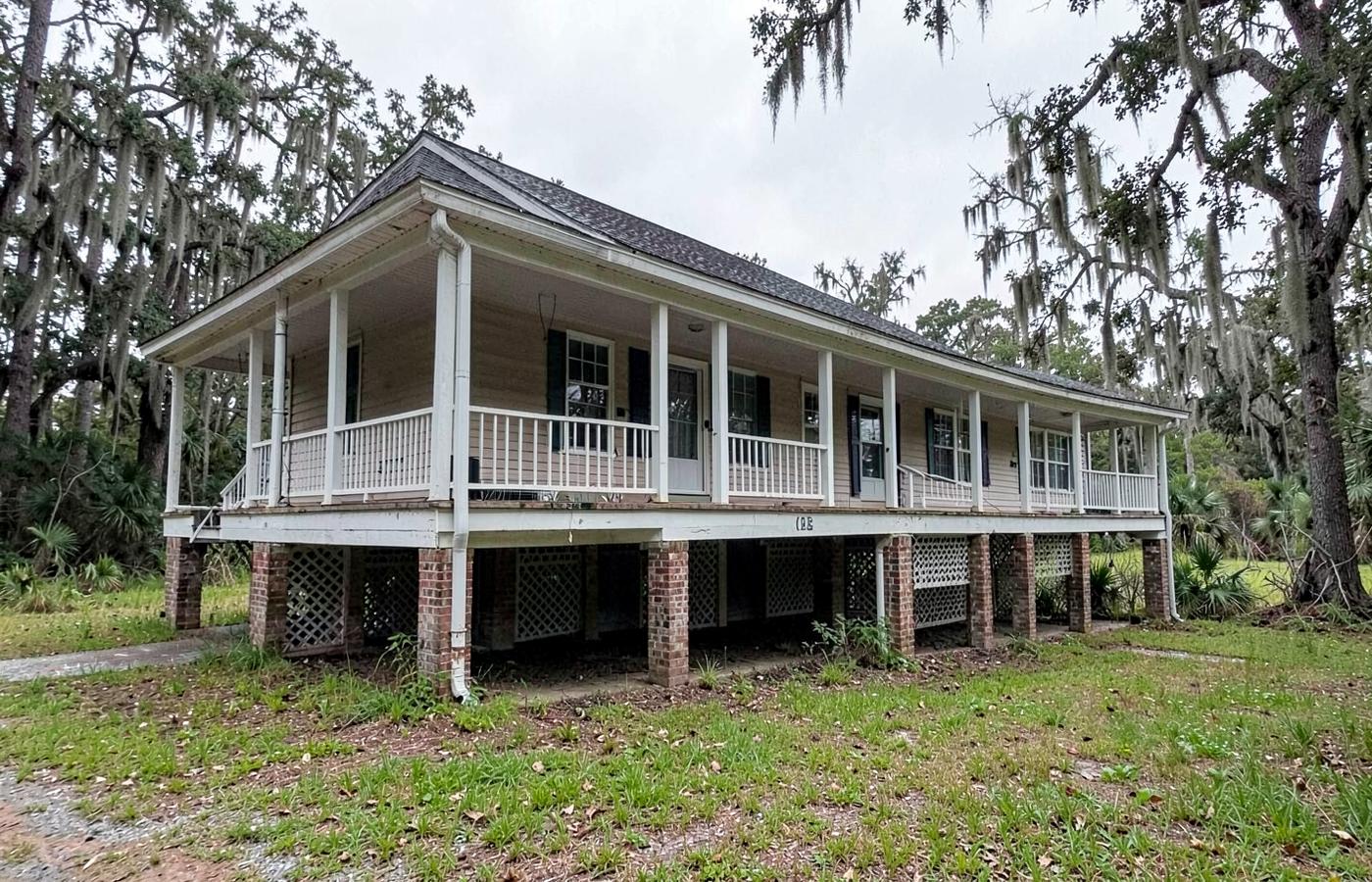
Much of the Charleston area sits at low elevation on soils that hold water. After a heavy rain, water that would drain away quickly elsewhere lingers in the soil around and under the foundation. Crawl spaces here frequently show water lines on piers, damp soil in dry weather, and standing water in low corners.
Humidity does the rest. With warm, moist air moving through foundation vents for months at a time, condensation forms on ductwork and piers, insulation absorbs moisture and falls, and wood moisture content stays high enough to support decay over the years.
Typical scope
Exterior discharge corrections, interior drainage and a sealed sump system where there is no gravity outlet.
Waterproofing and drainageIn low-lying neighborhoods, pumping capacity and reliable discharge routing matter more than liner thickness.
Sump pump installationReinforced liner across the soil and up walls and piers where the foundation allows, with vents and penetrations sealed.
Crawl space encapsulationCoastal humidity makes mechanical drying essentially standard once the space is sealed.
Crawl space dehumidifiersJoist ends, sill plates and posts are checked where moisture has been present for years.
Structural repairCharleston projects often land at or above the upper end of statewide encapsulation ranges because drainage is usually part of the work.
Cost rangesNearby communities
We work in Charleston along with Mount Pleasant, Summerville, Goose Creek, North Charleston and Johns Island, plus surrounding communities in Charleston, Berkeley and Dorchester counties. Conditions vary block to block here — elevation, soil and drainage history matter more than the town name.
FAQ
Two reasons usually overlap. Groundwater sits close to grade in much of the Charleston area, so soil under the house drains slowly, and Lowcountry humidity keeps evaporation from finishing the job. Water can also enter along foundation walls for days after a heavy rain as saturated soil drains toward the crawl space.
If water enters the crawl space, drainage comes first. Encapsulating over active water traps it against the liner. Many Charleston projects end up as drainage plus liner plus dehumidifier rather than encapsulation alone.
Often yes. Low clearance, masonry pier foundations, historic framing and limited access all change how a liner is terminated and how equipment is placed. Scope should reflect the construction, not a standard package.
Raised construction improves airflow, but it does not eliminate soil vapor or coastal humidity. Bare ground under a raised home still adds moisture to the framing above it.
Free crawl space inspection
A free inspection documents water, humidity, vapor barrier condition, wood and support issues before anyone talks about price.